John Gyngell on North Bar, North Brewing & UK Craft Beer


 Amazon Music
  Youtube Music
 Key Takeaways
- John Gyngell co-founded North Bar in Leeds at just 24 years old, initially aiming to fill a gap in the local independent bar scene rather than build a craft beer empire.
- North Bar became a pioneering UK champion for imported beers from Belgium, Germany, and the United States, introducing drinkers to iconic brands like Brooklyn Lager and Erdinger.
- The success of North Bar ultimately paved the way for the launch of North Brewing Co. and its breakout hit beer, Transmission.
- Rapid expansion into the large Springwell brewery coincided with the COVID-19 pandemic, creating severe financial pressures that ultimately led to the brewery entering administration and the subsequent deal with Kirkstall Brewery.
- Through his new venture, Hexagon Strategy, John Gyngell now helps breweries and hospitality businesses make better decisions by drawing on his decades of industry experience.
- Great pubs and bars serve as vital community hubs, acting as essential social glue rather than just places to sell beer.
What does it really take to build a successful independent bar and brewery in the UK?
In this episode I sat down with John Gyngell, the founder of North Bar in Leeds, to talk about almost 30 years in hospitality, beer and the independent brewing industry.
John opened North Bar at just 24 years old, initially with no grand plan to create a craft beer institution. Leeds simply lacked the kind of independent bar culture he had experienced in Manchester. From those beginnings, North Bar gradually became known for great hospitality, better beer and introducing drinkers to products they might never have encountered before.
We talk about how North Bar discovered beers from Belgium, Germany and the United States, becoming an early champion of beers such as Brooklyn Lager, Duvel and Erdinger, and how that experience eventually helped lead to the creation of North Brewing Co.
John also talks openly about the brewery's rapid growth, the success of beers such as Transmission, expanding into a much larger brewery, selling beer around the world and getting North Brewing into UK supermarkets.
But the conversation also explores the much harder side of running a brewery.
John explains what happened when COVID hit during the move to North Brewing's larger Springwell brewery, the financial pressures that followed, rising costs, COVID loans and the eventual decision to enter administration. He discusses the deal with Kirkstall Brewery, why he believes the decision was made in good faith to protect the brand and team, and what happened after he left.
We also discuss what brewery founders can learn from those experiences, why having enough financial backing matters, the dangers of chasing growth too quickly, rebranding too often and following every new beer trend.
John shares his thoughts on whether craft beer really is dying, why beer trends are cyclical, how the quality of beer has changed and why independent beer still has a future.
We finish by talking about Hexagon Strategy, John's new venture helping breweries and hospitality businesses make better decisions using the experience he has gained from founding, scaling and running businesses in the industry.
And perhaps most importantly, John explains why great pubs and bars matter far beyond selling beer, describing them as part of the social glue of a community.
If you're interested in the history of UK craft beer, independent breweries, hospitality, brewery business advice or the real challenges of growing a beer business, there's plenty to take from this conversation.
North Bars Venues
Frequently Asked Questions
Who is John Gyngell?
John Gyngell is a pioneering figure in the UK craft beer industry, best known as the founder of the iconic North Bar in Leeds and co-founder of North Brewing Co.
What led to North Brewing Co. going into administration?
North Brewing Co. faced intense financial pressures following rapid expansion into their large Springwell brewery, which unfortunately coincided with the COVID-19 pandemic, rising costs, and COVID loans, leading to the decision to enter administration and secure a deal with Kirkstall Brewery.
What is Hexagon Strategy?
Hexagon Strategy is John Gyngell's new venture, designed to help breweries and hospitality businesses navigate challenges and make better strategic decisions using his extensive industry background.
What was the impact of North Bar on the UK beer scene?
Opened in 1997, North Bar changed the landscape of the UK beer scene by introducing drinkers to exceptional international beers from Belgium, Germany, and the US long before the modern craft beer boom.
Martin (00:01)
Hello and welcome to another episode of the Beer Rep Chats With and I am absolutely delighted to be joined by John Gyngell from North Bars. John, thank you very much for coming on the show.
John Gyngell (00:12)
That's a pleasure Martin, absolute pleasure mate.
Martin (00:14)
Yeah,
it's great to have you on mate you're absolutely well known in the industry been around a long, long time. not that you're old enough to be, but, he's still looking young.
John Gyngell (00:23)
Yeah.
Martin (00:26)
but, yeah, talking of age, you know, you started North bar when you were just 24 years of age,
John Gyngell (00:30)
Yeah. Yeah.
Martin (00:33)
a massive leap of faith in your ability to do that. mean, 24 years of age, I was just, you know,
drinking bottles of Budweiser with my mates down the bars, you know? So, looking back now, what you were getting yourself into? Did you know what you was getting yourself into at that age?
John Gyngell (00:49)
No, absolutely not. I think everything is best done when you're younger. think naivety and fearlessness are pretty
Martin (01:00)
Yes.
John Gyngell (01:01)
close cousins at age 24, 25. So it's definitely naivety. Fearless? Yeah, probably. There was probably a lot of bravado and...
You you think you can do anything at 24, can't you? And that really helps.
Martin (01:20)
Yeah, for sure. Yeah, definitely.
it's spurs you on doesn't it, to achieve your dreams?
John Gyngell (01:27)
Yeah, absolutely. Yeah.
You know, I think kind of, you don't know what you're getting into. Cause if I think anyone probably that starts a business, whether it's a bar, whether it's, online, If you knew what you were getting yourself into, then you probably wouldn't do it. So that
naivety is pretty useful. And I think,
In the sense you carry on being naive because no one ever kind of taught anyone how to run a business.
you just find yourself doing something new one day and go, okay, I can, kind of do that. And then the next day you do a little bit better. And then the next day you do something which is entirely new again,
Martin (02:07)
Yeah.
John Gyngell (02:09)
which is fascinating. So yeah, it was, you know, looking back, I saved, you know, 10,000 pounds of my own money working at somewhere called the town and country club. which was.
a brilliant venue in Leeds and the height of Britpop. So it was kind of the perfect job. know, you'll see bands like Radiohead and Stone Roses, et cetera, for free. Save
Martin (02:27)
lovely. Yeah.
John Gyngell (02:30)
some money because you obviously, you you're working, you don't go out, which is kind of almost doubling your money. Got a loan from John Smith's Brewery and then
Martin (02:40)
but
back when they was doing things like that.
John Gyngell (02:43)
Yeah. Yeah. I mean, was, brewery loan and it was, you know, off barrelage and you know, properly old school.
Yeah. Yeah. It was a time it was really interesting. It was time
Martin (02:48)
Yeah, yeah, the good old days maybe.
John Gyngell (02:53)
in Leeds where you had to prove the need for a license. It wasn't,
Martin (02:58)
Yeah.
John Gyngell (02:58)
you just apply for a license to get a license. You had to prove it. There was a need for a place that you were opening, which, you know, looking back is, is a ridiculous and B next to impossible because who, who knows really what the need is.
It's
yeah, so you know trying to tell you know three dusty old magistrates
Martin (03:20)
you
John Gyngell (03:22)
what the plan was and why there was a need for it was pretty tricky back in 1997.
Martin (03:26)
Yeah, I can imagine.
know, obviously before North Bar, before you had the idea of starting up your own bar, did you feel that the UK beer scene was missing something that made you believe that there was room for something different at the time?
John Gyngell (03:39)
Well,
do you know what? It was never going to be a beer bar. So North Bar wasn't, you know, there was no grand plan to be the UK's first craft beer bar, et cetera. It was purely a bar. it was a bar, Leeds was a bar desert. wasn't, it was Irish pubs or fighting pubs. And the odd, you know, bar that had wicker furniture where you went on the first date.
there was no kind of bar culture to speak of. So going back to question one, probably, made it even more naive that there was a market for it. But I'd been, I kind of was raised in Manchester during the kind of the Hacienda years and the Manchester years. And Manchester had bars that were really cool and looked like something you'd find in Barcelona or somewhere, you know, so...
It was really nothing about beer. it was about creating a space where good things happened. And then gradually we kind of built this. Every day we wanted better. And we wanted to build something, you know, it was, can you find a better vodka? Can you find a better beer? Can you find a better coffee supplier? So it was, it was about everyday, incremental improvements, which, really was, was how we found good beer.
cause we, we started North bar with Fosters, Kronenbourg Beamish Red, Guinness, you know, it was, it was mainstream, but then you couldn't get, you know, mainstream was all you could find. So,
Martin (05:22)
Yeah.
John Gyngell (05:23)
it was, it was the French, it was France 98 world cup where we, my aim
Martin (05:28)
Remember that.
John Gyngell (05:29)
was to try and get a beer from every country that was playing. which was obviously impossible. we.
Martin (05:35)
You
John Gyngell (05:35)
We then came across a distributor called James Clay, who's based near us in Halifax. And through James Clay, you know, I was introduced to Chimay Blue and, you know, German wheat beers and you're like,
what is
Martin (05:51)
Yeah.
John Gyngell (05:51)
this? So we had, you know, a beer for Germany. We had a beer for Belgium. So it was a gradual kind of, wow, that's a taste sensation. Where do we go next? And then it was like Duvel.
We were the first Edinger tap in Britain, And then it was to the States. And, you know, influenced by loads of things, but it was just a search for better. And it was.
Martin (06:16)
Yeah, a bit more premium
than what you'd get in your local bar.
John Gyngell (06:20)
Yeah. And also, you know, the service was premium. we, it was built on, on hospitality. It was built on table service, which, know, people, you know, someone in Leeds didn't understand what table service was. It was those bars you went to when you went on holiday and you went, oh my God, table service works. doesn't it? great. And we all come back and queue at a bar. it's just, just really weird.
Martin (06:39)
Yeah. And we still, we still queue at a bar.
John Gyngell (06:43)
We still get, there's nothing worse than an actual queue at the bar is there?
Martin (06:47)
No, no.
John Gyngell (06:47)
when you see
an actual line is all manner of wrong, isn't it?
Martin (06:52)
Even behind
the bar, when you see a line, it's kind of daunting as I've been working behind the bar for most of my life and working on the Beer Mile on a Saturday. And you've just got like a massive line just going all the way out the door and you're just like, it never ends for like a good two hours. And it's just like, it's crazy. Yeah.
John Gyngell (07:04)
Yeah. Yeah. Yeah. It's
horrific. Yeah. It's, yeah, either, line at the bar, but don't, don't form a queue because that's, it's, it's not what we do, but table service was, the attempt to, know, there's, there's nothing better than someone coming over to your table saying same again, because
Martin (07:24)
Yeah.
John Gyngell (07:24)
there's only one answer, which is yes. through, you
Martin (07:26)
Yes.
John Gyngell (07:28)
know, through table service and being hospitable and being different, we became the
biggest Kronenbourg outlet in the North of England. So then you coupled the service with really good products and you have something even better. So that was the plan and it kind of worked, I guess.
Martin (07:45)
Yeah. What were some of the biggest decisions in those early days that still kind of influence what you do today?
John Gyngell (07:53)
we, there was one point where we decided to get rid of Guinness, which, which
Martin (07:57)
Big, choice, big decision there.
John Gyngell (07:59)
at the time, you Guinness was, was not the product Guinness is now, you know, now it's kind of, get that Guinness back in because that's what, you know, 40 % of the population drink now. But we had, think it was, Elland brewery Porter that we got in instead of Guinness. And it was, it was a brave move and it was.
And we had customers who hated me for it. but it was about provenance and local products being better than I thought, better than Guinness. so I, I guess that that still exists and that search for, for better or trying not to go down that corporate mega brewery route. Yeah.
Martin (08:42)
Yeah, using the big globals
John Gyngell (08:46)
And just, just trying to help people out, you know, it was, you know, if we could give Elland
a tap, then how cool is that? Guinness didn't need us.
Martin (08:53)
It's
the hardest thing is trying to convince customers that there is a better product than what they're currently drinking, that they've been drinking probably all their life. And mostly, mostly I'll say most of the older generation are our age, probably a bit older. They just don't like change. Just like.
John Gyngell (09:10)
Yeah.
education is a huge part of it. And, know, I never once tried to make any, anyone feel that they shouldn't, you know, that if they did ask for a pint of Foster's and we didn't have Foster's, no one sneered at them or no one. it was okay. Try this. You know, we had what?
Martin (09:28)
Yeah.
John Gyngell (09:29)
Lindeboom or, Jupiler from Belgium or, know, it was just a better beer than we were drinking. And it was just trying to convince them that it was better, but there was no.
There was no snobbery involved. was just, this is better value than that, I guess.
Martin (09:48)
Yeah, and the taste is probably better. Yeah.
John Gyngell (09:50)
Yeah, absolutely. Yeah. You might be paying
more, but it's about product and a tastier product and, and you certainly love your hooked, you know, you don't go back.
Martin (09:53)
Yeah, exactly that. Yeah. Unless you
like a watered down beer and then crack on. So obviously
John Gyngell (10:00)
Yes.
Martin (10:03)
you know, back in the early days, craft beer has changed enormously since the early
John Gyngell (10:09)
Yeah.
Martin (10:09)
days. Which changes have you thought you think that's generally improved the industry and what ones do you think has gone kind of gone wrong?
John Gyngell (10:21)
the quality is obviously better. every decent pub or every decent bar now has a, a craft product that you can drink pretty much, you know, I don't know. I wouldn't include, you know, the likes of Beavertown in that, but there's, seems to be an independent craft product on, on most bars these days.
So that's probably a good thing. it is a good thing, isn't it? And I think the quality is better than it absolutely was.
Martin (10:53)
Yeah.
John Gyngell (10:54)
going out and actually tasting something is a huge improvement than where we were 15, 20, 25 years ago, definitely.
Martin (11:02)
Yeah, just need
more access into the pubs to be allowed that choice.
John Gyngell (11:06)
Yeah,
which again is a huge problem and hasn't changed dramatically over the years either.
Martin (11:14)
Yeah, exactly.
John Gyngell (11:16)
But yeah, I think the choice is the huge benefit.
Martin (11:22)
Yeah, definitely 100% choices is what a consumer should be having rather than going into one pub, seeing a line
John Gyngell (11:29)
Yeah.
Martin (11:30)
up, going, well, I don't quite fancy this. We try the next pub down the road and see in the exact same lineup. This is kind
John Gyngell (11:35)
Yeah.
Martin (11:36)
of like what separates that pub, what makes that pub different. So they're focusing, they have to focus on other things rather than just simple difference of a different beer, you know.
You
can go down that road and get this beer or you can go up here and get this beer or from this brewery. And that's what
separates them.
John Gyngell (11:54)
yeah, and it's the, love and care for the product as well. And, know, if you, if you're selling a good product, you're caring about your customer. If you're selling an average product, you really don't care about your, your consumer. It's just a, it's just a very, to me anyway, it's a very obvious correlation between, you know, here you go drink that it's really average. oh thanks. I feel really
valued by you.
You don't walk out of that place feeling a valued customer. If you
Martin (12:24)
Yeah, 100%.
John Gyngell (12:25)
get given something brilliant and you have a conversation about it and you understand about the product and the provenance and the quality and the love involved in getting it from A to B, then you're more, you know, you'll probably have another one.
Martin (12:39)
Yeah, and you'll come back again. You tell your friends.
John Gyngell (12:42)
care? Yeah.
Martin (12:43)
Yeah, exactly. Yeah. So from opening up North Bar, you decided to make the decision to open up a brewery.
John Gyngell (12:53)
Yeah.
Martin (12:54)
What made you choose that as a kind of next step?
John Gyngell (12:57)
Well, North bar was the forefront of, of, I guess, beer trends throughout the early two thousands. So we were, you know, North bar was the first tap for Brooklyn lager, which again was a revelation. And, you know, seeing the brewery in Brooklyn and how they did things and how they communicated with the consumer was just amazing. We were the first Erdinger tap. you know, again, you go to Erding near Munich and you see
again, the provenance, the quality, the love and care that people had for that product in that town.
Almost to like a ridiculous extent, it was a bit like the Truman Show when you go to Erding, it's so Erdinger.
And then throughout, I guess the next period, the seeds of UK craft brewing had started, you know, we started doing beer dinners with the likes of Dogfish and Brooklyn in
in Leeds. So we saw what was happening in the States and then that obviously had an impact on the UK. We were quite close to Rich at Magic Rock. So, you know, we were the first first Cannonball, permanent Cannonball line in Britain. We launched Northern Monk and I think that became a point where it was like, hold on, all these other people are doing it and we've actually got the vertical integration.
that could work for us, which, so really it was, it became a point where it was, know, do we do this or do we just shut up and run bars? And it was, let's do it. And it was, yeah, it seemed at the time it was a natural progression and it was joining in with what was happening. Cause we saw what was happening was really, really exciting.
Martin (14:53)
Yeah, so what's kind of like
the early days of the brewery that you know, what was your styles of beer that you wanted to brew? was what did you want to get from it? And then early days?
John Gyngell (15:03)
Well, we got very lucky
with Seb, who to my mind was, is and was, you know, I think up there with the best brewers in the country. He was, you know, I'd been put in touch with him because he was a regular in one of our bars locally. The manager of that bar suggested to me that Seb, because he did a bit of kind of cuckoo brewing on the side.
that he was looking to quit his teaching role. We were looking for a brewery or a brewer. So she kind of put me and Seb together and we talked at length over a few months. you know, we got hugely lucky with Seb because, you know, was one time he brought a trial batch of transmission in a an unmarked bottle into one of our bars and said, try that. from second one, transmission was incredible.
And he just hit the nail on the head with that beer. And that was the first time he brewed it. So he was experimental. He is experimental. He's a brilliant brewer and he can challenge and he can do everything to my mind, the way brewing should be. so transmission was kind of, wow, okay, we've got something here. This is amazing. And we had a designer, James Ockleford, who's
Designs, it done the North Bar logo for us previously. and again, you know, he was a genius and you have, well, he is still a genius and he works for Brulo now does all their design. but we were lucky enough to have those two people. And if you've got the quality of product and the quality of design, then really, you know, you shouldn't, you're off to a great start.
Martin (16:58)
you're off to a good start
John Gyngell (17:02)
And it just seemed very natural and very easy. we didn't, you know, there was, there was a point where the easiest thing in the world for us would have been to, put all of our beers on taps in all our, our seven bars. but we didn't, it was kind of minimum or maximum two taps because what we didn't want to do is say to our customers that, you know, we, you thought we really cared about you. We don't, we're just putting our products on now and that's the end of it.
Martin (17:28)
Yeah, yeah.
John Gyngell (17:30)
so we, had to.
We had to kind of gradually introduce them when we knew the quality was as good as, or if not better than what we already had on. So, you know, we never wanted, although we talked about vertical integration earlier, it wasn't a, that it wasn't a decision we made to go, okay, let's just have eight taps in all our bars and we'll be millionaires and everything would be great.
Martin (17:54)
you
John Gyngell (17:55)
It was, really didn't do that. But it was, it was very much a,
You know, we had one day when we put in transmission next to Cannonball and Cannonball was the darling of everyone who went into North Bar. It was what a beer that was. and unbeknownst to me, the managers at North Bar had a Cannonball versus transmission night
and, and transmission won. And at that point it's like, okay, we've got the confidence now that really sorry, Magic Rock, but you probably don't need us anymore anyway.
But we're going to put transmission in place of Cannonball. And that was a real moment where it was like, that's really our UK beer of choice. And
Martin (18:43)
Yeah, it was that kind of
the moment where, you know, North Brewing really started, you started to realise we've got something special here kind of at that moment.
John Gyngell (18:53)
Yeah,
yeah, it was. it became very quickly. You know, I honestly hate selling stuff. Selling things is the hardest part of having a brewery to me.
Martin (19:04)
Yeah.
John Gyngell (19:05)
those early years, we didn't sell anything. all we were doing was dividing, dividing up an amount of beer to give to people. So, you know, someone would say, can I have 10 cakes of transmission? It was like, no, you can't. You can have three.
And it was an amazing problem to have, but that's the only problem we had really.
so, yeah, we got off to a flyer. Yeah, it was amazing. Yeah.
Martin (19:32)
Awesome.
Looking back, is there anything that you would have changed, like that you've learned that you would do differently?
John Gyngell (19:42)
I, yeah, I'd be harder. I'm, unfortunately, I'm, some people might tell you differently, but I'm inherently nice and trusting. And, you know, we, we signed for, we had an agreement in place to move to Springwell, which was kind of this, you know, we went from 2000 square foot to 24,000 square foot in the brewery move, which
Martin (20:08)
Yeah, big move.
John Gyngell (20:10)
You know, we went what from 7,000 heck capacity to about 25,000 head capacity. It's a huge jump. It's a leap of
Martin (20:17)
It's a big jump, isn't it? Big leap of faith as well.
John Gyngell (20:20)
faith, but you know, at the time it was early March 2000. so if you think back to what happened in March 2000, the big seat here. Yeah. Well, obviously,
Martin (20:31)
I can't even think back to what happened last week, let alone March 2000.
John Gyngell (20:36)
you know, we, so we'd, we'd reached.
A verbal agreement with a landlord who had purchased Springwell in the knowledge that we wanted it. And then COVID hit and really what I should have done is say, I'm really sorry we had a verbal agreement, but right now I cannot commit because the world has shifted dramatically. But I guess, A, you know, my, gave him a word and B, we didn't know.
what the impact of COVID was going to be. You know, it might've been around for three weeks and moved on. So,
you know, we, in hindsight, I'd have, I'd have not done that move because we were at capacity. We were just dividing up beer and, we want, you know, naturally in business, you want to grow. You want to sell more. It's not, it's, it's just a natural progression.
Martin (21:26)
Yeah, exactly. Yeah.
John Gyngell (21:31)
And, and, you know, don't apologise for this in the slightest, but we wanted to just be bigger.
and sell more beer and you know you're only here once so why not kind of go for it you know shoot for the moon and if you fail or you know if something happens then at least you had a pop.
Martin (21:49)
Yeah, exactly. least you can look back and say that you tried and gave it a shot.
John Gyngell (21:52)
Yeah, so, so it would have been
definitely, you know, really a harder businessman would have gone, no, we're not doing that move right now. I'm really sorry I gave you my word, but it's on pause for a year. But as in hindsight,
and at the time, who knew what was going to happen.
Martin (22:09)
Yeah, so I mean, shortly after that, you kind of was facing administration and Kirkstall stepped in to secure the future of North Brewing. You know, that must have been a really incredibly difficult period for you. What was going through your mind at the time? what did that experience kind of teach you about running a brewery? When you got to that stage? mean, obviously you can't foresee COVID happening and...
John Gyngell (22:35)
Yeah. mean, we,
we were at a point where, you know, we were selling to 27 countries around the world. We were in all the UK supermarkets.
we had moved to a bigger brewery, but we were doing 18, 19,000. Heck a year. And we were selling a hell of a lot of beer and we had 10 years at the brewery and nine of them were profitable.
we had one year that wasn't, but what we, you know, I think kind of
one of the mistakes was not having enough money or enough backing to get through that period of time.
And that's the one thing that I'd say to most brewers is make sure you've got that financial capacity behind you in order to weather what could be a tricky period. And it was just the knock on effect of COVID, the price of grain because of the Ukraine war.
Yeah, the gas kind of price doubled and you know, everything, everything
Martin (23:38)
electricity bills, all that stuff.
John Gyngell (23:40)
hit. And it was, you know, the cost increases, wage increases, everything went up at a time when we also got huge COVID loans to get us through COVID from the government. And we had to repay those back and then interest rates go up. So, you know, and the knock on effect of, you know, if you owe, you know,
over half a million pounds in COVID loans, COVID loans that you got purely to enable you to get the business through. you know, if a 1 % increase in the interest rate on half a million quid is a significant amount of money every month. so,
Martin (24:18)
Yeah, exactly.
John Gyngell (24:20)
so then, you know, we got to a point, it was, was becoming obvious we needed, we needed something to come in. And we had a great deal lined up with
a couple of private individuals who had kind of looked at the brewery for quite a while and we had a deal ready to go. We had an agreement that, you money would be in the bank account next Tuesday, But unfortunately, one of the shareholders in the brewery disagreed with that, with that, the line that we wanted to go down and get these investors in. So that deal fell through. And once that deal fell through, we were kind of right
There's no other deal on the table. You know, since then, I've must've had 50 people come up to me saying, John, why didn't you tell me? But you, you don't know, because you've never been in this position before. We had Breal sniffing around quite a lot. So, Breal, we're snapping up breweries left, right and center And we're, you know, at the time it was
It was a huge story in craft beer. I managed to, kind of navigate and fight them off. and then, you know, met up with Steve at Kirkstall and we, we, met probably 10, 15 times before, the deal was done and we did actually go into administration at the brewery. and Steve at Kirkstall bought, North Brewing out of administration. And we had what I think we both thought was a great deal.
you know, we were going to go and work in the wider brewery. and it was, you know, we had between us, we had what 24 bars, we had three breweries in Leeds, Kirkstall North. One of them was hyperlocal. is one of them was regional. One of them was national. And it was kind of, wow, this is, we've actually got something almost perfect. but you know, two entrepreneurs into one probably don't go,
it was a pretty difficult time. on paper, the deal was amazing. paper,
Martin (26:37)
Yeah, in reality, maybe not so much.
John Gyngell (26:39)
paper teams win paper cups, don't they?
Martin (26:42)
Yes.
John Gyngell (26:43)
so, left Kirkstall, and unfortunately, and you know, then North Brewing was then annoyingly, sold to Breal and Keystone. So it was.
Martin (26:55)
Keystone, yeah.
John Gyngell (26:57)
Which, I think, you know, I, I don't know whether there was something behind the original deal or it was just convenient to move it on. but, everything I and we did at the time was, was purely to kind of save the brand, save the team. You know, everything was done in, in good faith and it wasn't, you know, I think a lot of people would look at.
prepack administration and think, they've got out of it. They've dumped all the debt and moved on. And, the reality is very, very different. You know, those COVID loans that, you know, we spoke about earlier, they were personally guaranteed. So they don't, you know, they don't just disappear into the ether.
Martin (27:45)
Exactly,
John Gyngell (27:46)
They unfortunately follow you and they follow your family, to the point where you have to do something about them. So it's
So, you know, really didn't walk away, Scott free, which has again proved challenging over the two or three years since that. And it's kind of the bit that people don't talk about, which
Martin (28:06)
Yeah.
John Gyngell (28:07)
I think people should, because it's not, there's absolute zero to it. No shame in it whatsoever. yeah, like I say, like I say, everything
Martin (28:10)
There's no shame in it, is there? There's no shame. Yeah. I mean, obviously we've
John Gyngell (28:18)
done to protect the people and probably
you know, in hindsight again, not enough was done to protect me. but those are lessons learned.
Martin (28:30)
Yeah, you protected your team and the workers made sure that they still had a job. And that's really commendable because there's breweries that have not done that.
John Gyngell (28:42)
Yeah, well, I knew what Breal were going to do when Breal would have moved North Brewing ironically to exactly where it is now in Masham,
Martin (28:52)
Yeah.
John Gyngell (28:53)
in Masham, sorry. And I knew that, that I thought that going with Kirkstall would have, you know, Springwell would have continued to exist. North Brewing essentially to the outside world would have been exactly the same as it had
been
Martin (29:07)
Yeah.
John Gyngell (29:07)
a week earlier. And then that was, that was
That was it. was the reasoning behind everything we did at the time. But yeah, was,
Martin (29:15)
Yeah, definitely.
John Gyngell (29:16)
was bloody hard. there were, you know, there was, there was days when my phone was, was literally red hot. You know, the amount, you know, a hundred, a hundred phone calls, 200 WhatsApps, know,
Martin (29:29)
Yeah.
John Gyngell (29:29)
70 emails. And it was all kind of dealing there, dealing there, dealing here.
Martin (29:33)
Yeah, I'm sure
I'm sure the stress levels were super high. mean, you had brown hair before that.
John Gyngell (29:36)
yeah yeah it's so true yeah well
2019 definitely yeah
yeah
Martin (29:46)
Yeah, yeah. Obviously, like,
you know, we've seen, we've seen a number of respected breweries go in changing ownership and over the last few years, you know, what, what does that say about the realities of running a brewery today? And, what lessons should, you know, other founders or future brewery founders, you know, what should they take from that?
John Gyngell (30:03)
I mean, definitely make sure you've got some money behind you because there will be at some point a rainy day. know,
Martin (30:12)
Yeah, it's gonna happen.
John Gyngell (30:14)
we never had, you know, again, depending on size, you can kind of get by if you're doing, you know, 2000 heck or, but we wanted to grow. I think, you know, what we did was the growth.
The timing was awful because we had to borrow to do Springwell and, and, you know, we had, we had investors lined up before COVID to do Springwell and one
by one those investors pulled out because of COVID and then our COVID loans went on Springwell instead of, you know, sitting in the bank, like some of the loans. But I think having that, that financial capacity behind you just to, just to give you that, that safety net.
But also having the knowledge, you know, that it's, it's like I said earlier, no one knows what you're doing really. You know, we were, I went from running a bar on New Briggate in Leeds to a company that had a 10 million pound turnover. and it went from, you know, went from having seven employees to 150 and, and that, know, people assume you can just do it.
And you do end up just doing it, but probably get some help, get some advice, get some knowledge in around you that enables you to build that business well and make sure you don't make mistakes.
Martin (31:42)
Yeah, you
started up Hexagon strategy, which we'll
touch base on a bit later on. And we'll talk about
John Gyngell (31:47)
Yeah, cool. Yeah.
Martin (31:50)
that for sure. But today, you your focus is also still much on North Bar. And how many venues you got now? Is it seven? Seven venues. So what's
John Gyngell (32:00)
Seven, yeah, so we've got five.
Martin (32:03)
to excite you about running great bars to the day?
John Gyngell (32:07)
I absolutely love hospitality. think it's, when you go into a great bar or a great pub or a great restaurant and it's just got it. I don't think there's many, there's many finer things. it's, I love what I've created on New Briggate with North Bar. It's the people, the relationships, the marriages, the births, the
Martin (32:35)
Yeah.
John Gyngell (32:35)
You know, the deaths, the everything, the life around it all, the life around it
Martin (32:38)
Yeah.
John Gyngell (32:40)
all is incredible. The friendship groups that have been made and how, if you create the right conditions in a bar or a pub, what can happen there and what goes on there is a thing of wonder.
you know, I was, I guess I was a product of that. went into, you know, there was
bars in Manchester that I went into and that felt like they made you feel like anything was possible. And the people in there were doing amazing things.
And there's something, you know, and the whole culture was born out of that. I think, you know, there was a point in time at North Bar where the musicians were in there, the artists are in there, and they're all doing things, they're all creating. that's to me is
what it should be about the,
Martin (33:34)
Yeah, 100%.
John Gyngell (33:35)
you know, and I think, think hopefully we're talking about this the other day and hopefully we've now got a prime minister that values a pub and that, and that culture.
Martin (33:42)
Yeah, he's little changes,
but it's showing signs that he has got support for the hospitality sector in general, you know.
John Gyngell (33:48)
Yeah. And I think
it's that, it's that unknown. You know, it's not just a bar or pub, it isn't just economics. It's the social fabric, the social glue.
Martin (34:00)
Yeah.
John Gyngell (34:01)
which to my mind is that, know, if, a bar, if a really good bar opens down your street, some people will complain about noise, but actually the reality is that that street is safer because of that bar, because it's visible. There are people around it's.
Martin (34:18)
creating a social hub.
John Gyngell (34:18)
It's
absolutely that social glue that a great bar or great pub can give a community is a thing of absolute wonder. So what keeps me fresh and excited is that it's walking into one of the bars and seeing it alive and seeing people laughing and having a great time.
Martin (34:39)
Yeah, yeah, definitely. mean, I've been in the hospitality sector for a very long time, like yourself since I was 17. 43 now, do the maths. it shows me age. And yeah, it's just, just, you just can't get enough of it. It's, intoxicating when you, you know, have that community feel and everyone's having a laugh and a joke, everyone's getting on well. And, you know, it's, it's, you can't beat that feeling when you're going out socialising, you can't
John Gyngell (35:05)
No, no, not at all.
Martin (35:06)
get that. And I don't...
I don't drink indoors that much at all. I'm a socialised drinker. I like to
John Gyngell (35:11)
Yeah.
Martin (35:12)
go out and chat and talk and have a drink that way. And that's why pubs and places like that are vital for mental health
John Gyngell (35:21)
Yeah, it's this.
Martin (35:23)
more than anything.
John Gyngell (35:25)
Absolutely,
you get home from a day at work and you go out for class at five. Yeah. No, there's too many distractions.
Martin (35:28)
You need to let off some steam, you? Just relax and unwind. And you can't really get that home. As much as you love your partner or your kids or
anything, you can't really ever sit down and just have that relaxation. Yeah.
John Gyngell (35:41)
Yeah, it's really, it's
really important. And I think, I think, you know, I worry for, for kind of areas or people that don't have that outlet.
You know, it's,
Martin (35:50)
Yeah, yeah. Lots of village pubs closing down.
John Gyngell (35:54)
yeah, meeting people physically and it's really important having conversations, you know, having conversations with people you've never met before. It's really interesting and changes
Martin (36:03)
Yeah, yeah, yeah.
John Gyngell (36:06)
your dynamic. You know, you walk home going, they were nice, weren't they? And that's switching your head.
Martin (36:11)
Yeah. How many times have we said
John Gyngell (36:11)
and see you in future.
Martin (36:13)
that over our lifetimes as well? they were nice, weren't they? Like, you
John Gyngell (36:16)
Yeah.
Martin (36:17)
don't really think about it, but yeah, I've said that quite a few times in my lifetime and it's nice. Yeah.
John Gyngell (36:19)
Yeah. Yeah. So small
interactions can change, change your mood really, really quickly.
Martin (36:26)
Yeah.
John Gyngell (36:27)
and you don't get that on teams or zoom or in your house watching Netflix.
Martin (36:32)
Yes, 100 % you don't. you get other things with Netflix, but we won't go into that.
John Gyngell (36:36)
Yeah.
Martin (36:39)
There's a little talk recently, recently, it's probably been going on for many, many years, that craft beer's dying, things like that. mean, how many times
John Gyngell (36:45)
Yeah.
Martin (36:47)
have heard this story and it's still alive today? What kind of view do you take on it? And, you know, what's the reality from where you're sitting?
John Gyngell (36:57)
well, funny enough, I went to, London craft beer festival a couple of weeks ago. And then it was brilliant. and again,
Martin (37:03)
wish I could have gone to that. That was working, unfortunately. Yeah, it looks amazing.
John Gyngell (37:07)
you know, it's, you know, anyone who says craft beer is dying should have gone there.
Martin (37:11)
Yes.
John Gyngell (37:12)
but, but I went to a talk by Garrett Oliver from Brooklyn and, and this was almost subjective. His, his talk was, was I've seen the skyfall several times.
And, and he read out a review from the New York Times from 2007 that said the craft beer bubbles over. Then he read out another newspaper article from 2017 saying exactly the same thing. And then another one from last year saying exactly the same thing. And it's cyclical. It goes, you know, everything goes in and out. There's no doubt we're all drinking better.
we're all drinking differently. whether you're drinking, no, or low.
Martin (37:58)
Yeah. Styles are changing. Beer styles are changing. Yeah.
John Gyngell (38:04)
but it was again, really interesting. He was, you know, he was talking about fashion and fashions come in and out and jean size goes baggy, flared, tight, skinny. And round we go again.
Martin (38:19)
Yeah. It's
like I said to you, you always got to keep your old jeans just in case it comes back in fashion.
John Gyngell (38:22)
Yeah, absolutely.
Or just check what your kids are wearing. Yeah. Yeah.
Martin (38:28)
Yeah, yeah, exactly. What's hip today? Even though it
might not get the approval of your kids.
John Gyngell (38:34)
No chance.
Martin (38:35)
You can't wear the same thing as me, Dad. Like, what?
John Gyngell (38:39)
Yeah.
So, so I think people who, you know, craft beer I guess has been in a trend, growth of trends or a trend growth recently, or over the past 10 years. And it was maybe something that people didn't talk about, but it was just different kind of and I think for, you know, lessons for breweries is, you know, be ahead of the curve a little bit. Watch what the trends are doing.
but also stick to what you're good at and don't go, you know, sometimes you can chace a trend, which isn't a good look. Yeah.
Martin (39:14)
Yes, you can. I be innovating, but you
know, there's a limit, isn't there, of don't do too much because you'd invest too much and then you can crash just as hard.
John Gyngell (39:26)
Yeah, but I think, you know, everything like I say, everything is cyclical and you know, what's current this year certainly won't be current next year and round and round we go.
Martin (39:35)
Yeah. Yeah.
John Gyngell (39:37)
But the quality line is going up and how people are drinking and what we're drinking and what we're eating is very, very different to 30 years ago. Yeah.
Martin (39:49)
years ago.
yeah, 100 % agree that the quality of beers is just amazing. And I think that's probably why, you know, the IPA kind of trend isn't as massive as it used to be. I mean, it's still the biggest selling style of beer, obviously, for good reason. But the whole boom of it is kind of equaled out because there's
John Gyngell (40:06)
Yeah.
Martin (40:07)
so many great breweries just making them sort of styles of beer, the hazy, that's what I'm talking about, hazy IPAs so good that you just expect
John Gyngell (40:12)
Yeah. And also, I I think there was,
Martin (40:17)
it now.
John Gyngell (40:18)
yeah. And also the, because the quality has gone up, you know, I think, I think maybe seven or eight years ago, we were all looking for a 7 % NEIPA because,
Martin (40:29)
Yes.
John Gyngell (40:30)
because the taste was like, Whoa, what, what the hell is that? This is amazing. And
Martin (40:35)
Yeah.
John Gyngell (40:36)
it's went to a three and a half, 4 % pale. were no, the taste was almost non-existent.
Whereas now you can go to Lidl and get a 4% pale and actually it's pretty decent and it tastes good. I don't think we need to search for the volume, the alcohol volume, doesn't give you the taste in a way that it did maybe eight years
Martin (40:59)
Yeah,
yeah, definitely. Yeah, 100%. So let's talk about your recently launched hexagon strategy. Yeah,
John Gyngell (41:09)
yay.
Martin (41:10)
let's get a brief overview of what you're doing and why you decided to set it up.
John Gyngell (41:16)
Well, you know, I've been doing this for nearly 30 years. Five years.
Martin (41:20)
How many years?
John Gyngell (41:26)
I'm only 30 currently, unfortunately.
Martin (41:28)
Yes, it shows, it shows.
John Gyngell (41:31)
So I think there's an honesty that needs bringing to brewing and hospitality, that it's not easy and it's, you know, I've done the founding, the scaling.
The I've made the mistakes. We've sold beer around the world. You know, in a way I've done it all. I've got the badges.
Martin (41:55)
Yeah, been there, done that, got the t-shirt.
John Gyngell (41:58)
Got the t-shirt. I've made the mistakes. I've. fought off private equity groups, I've done deals, It's kind of, there's a lot of knowledge in there and, you know, I'm, kind of simplifying what I do on the bar front and,
reducing my involvement there slightly and just, it's about using what's in here and making sure
people, people around me and people around the country can, can actually develop their businesses really,
really well and do the right things at the right times. hopefully I've got the credibility that, that, you know, I've been there and done it. It's not just, I've had a brewery for six months and sold it for 20 million pounds and I'm great.
Because I don't think you've actually learned anything doing that. think there's learning the hard way is actually better and there's more knowledge. yeah, it's kind of sounds really corny, but giving something back. I want to see people succeed. Cause failure is rubbish.
Martin (43:07)
Of course.
John Gyngell (43:09)
so I think seeing great brands, great beers succeed is behind the reasons of doing it.
Martin (43:13)
Yeah. That's amazing.
John Gyngell (43:16)
So hopefully hex can grow from there.
Martin (43:16)
It's good to give back. Yeah,
it's good to give back and you know, people can tap into that knowledge that you've had over the years, you know, you kind of you have been kind of through every kind of avenue possible for, you know, an independent brewery to go through. So, yeah, and
John Gyngell (43:33)
And it's it's
like complete honesty. And also, you know, I want people to succeed. There's no doubt about it. So it's not, you know, it's
Martin (43:41)
Yes.
John Gyngell (43:41)
not turn up and, this is the play. This is what you do. This is a list. It's kind of right. Okay. How do we really make this work? How
do we.
Martin (43:49)
Yeah, and you'll
be working with people to continue steps through the stages. awesome.
John Gyngell (43:52)
Absolutely. Yeah. Yeah, absolutely.
Martin (43:56)
What's the kind of biggest mistake you see brewery founders making today that can be avoided with a bit of good advice?
John Gyngell (44:07)
Well, again, going back to the kind of get the, get the finances right, get the money behind you. I think sometimes breweries are too quick to, to rebrand. You know,
Martin (44:19)
Yeah.
John Gyngell (44:19)
I've seen some recently that you think they're great brands, what are they doing? And it's, and I think kind of sometimes there's a, there's a panic
Martin (44:23)
Yeah, yeah.
John Gyngell (44:26)
or, or there's a search for, for, need to do something drastic. And it's kind of, I'm not sure about that. think there's, there's, you know, sustainable growth is
is a good thing.
Martin (44:39)
Yeah, I'd be the
worst for that situation because I'd see a brand I really like and I'm like, my God, I've to do that. I've got to do something similar to that. And I'll just change my whole brand and then I'll just be awful. Absolutely awful.
John Gyngell (44:50)
Yeah. Yeah. Yeah. I
think there's, I think there's a real, yeah, that panic to rebrand is kind of, Whoa, Whoa, you've got something. You've got something
great. and again, you know, don't necessarily follow fashion.
if you've got something amazing, you know, I remember years ago, we've got, I think it was from black sheep, probably 10 years ago. And it was, it was black sheep's attempt at craft beer.
And the high, you're, you're
You're black sheep, you're doing brilliant. You your beer's brilliant. Your brewery's not cool, but it's got kudos and
it's got real strength to it. But you start doing something like that and it kind of undoes the actual products you're famous for. yeah, don't rush.
Martin (45:34)
Yeah, but that was,
that's kind of more for the older generation of drinkers that know maybe not so much the ones coming up. Maybe that's why they decided to take that decision.
John Gyngell (45:47)
Yeah, maybe, or maybe it's a panic of, of we're losing market share to these new upstarts. Let's, let's be some pretend we're new upstarts. And actually
Martin (45:55)
Yeah.
John Gyngell (45:56)
what I would do is really focus on that, that key brand and
Martin (46:00)
Yeah.
John Gyngell (46:00)
make sure that, that it's, you've nailed it down and that's the go-to for in every pub, rather than kind of diluting, I think what they do. But, but yeah, it's, yeah, don't, don't rush things.
Martin (46:16)
Cool. Good bit of advice and have some money behind you for the rainy days when another COVID hits, maybe, hopefully never again. yeah,
John Gyngell (46:18)
and have some money. Yep. Yeah. Because there will be rainy days.
Martin (46:27)
of course they will. They definitely will be. Well, we're going to finish up in a few, three or four quick fire questions.
John Gyngell (46:34)
Cool, here we go.
Martin (46:35)
Here we go. See how quick you can answer them.
John Gyngell (46:37)
Ha ha ha.
Martin (46:39)
What decision are you most proud of?
John Gyngell (46:43)
I'm going to things I'm going to opening North bar in the first place because
because it's it's changed a significant amount of people's lives which whatever happens in, business in, or how anything ends, you know, there's, there's altering people's lives. Hopefully in the main for the better is, is pretty cool. I'm pretty proud of that.
And, I am pretty proud of the negotiations that took place around the administration, the fighting off PE, the deal that we had and should have had with Kirkstall I think was a pretty momentous piece of work. But unfortunately, it didn't pan out further down the line, but yeah, those two.
Martin (47:32)
Yeah, awesome. What's one mistake that taught you the most?
John Gyngell (47:38)
I think it's kind of that the...
In terms of make that decision, make a harsh decision. And however someone might think of you for that harsh decision, you know, there are some things I've done through being nice and through doing the right thing that in retrospect, I wish I could go back and go, I could have done the difficult thing and the hard thing. The thing that lets someone else down.
but didn't let me down ultimately. I think, God, it's a difficult one because, you know, that's me trying to change my personality. But yeah, hindsight's easy, isn't it? Yeah. Yeah. Yeah, exactly. Yeah. Yeah.
Martin (48:23)
Yes, exactly. Should have, would have, could have, and sort of, Yep.
Okay. Next one. One myth about craft beer industry that you'd like to put to bed. You must have seen a lot of it over the years.
John Gyngell (48:36)
probably it's probably that it's that everyone's lovely
and everything's great and everyone's caring and loves each other. you know, I wish I wasn't saying this, but, some of it is and has been brutal and, and the reactions of people who you thought maybe were on your side and who were friends, you very quickly, you know, they very quickly move on.
Martin (49:04)
Yeah.
John Gyngell (49:06)
which was, which has been interesting. and you know, it's slightly disappointing, but I would also go back and say the huge majority of people in the craft beer world are absolutely gorgeous. and yeah, yeah, yeah. But I've, I've definitely,
Martin (49:18)
100 % there, I agree. There's always gonna be bad apples in any industry and any job, isn't there? But yeah, I would agree.
John Gyngell (49:26)
I've definitely found out that the business side of it can be brutal.
Martin (49:30)
Yeah.
John Gyngell (49:30)
which isn't something that when everything was great in 2018 and we were all doing beer festivals around the world and having
Martin (49:36)
Yeah.
John Gyngell (49:37)
a great time, you didn't think that was coming.
Martin (49:39)
Yeah.
John Gyngell (49:40)
But yeah, it's part and parcel. But yeah, going back to what London Craft, a couple of weeks ago, what a day full of what an amazing bunch of people. So yeah, it was great. Yeah. Yeah.
Martin (49:51)
Yeah, it looked amazing. I was so, so, so gutted that I couldn't turn up for that.
Next year, I'm definitely putting it in my diary next year. If it stays at Southwark Park again, definitely put it in my diary. Day off, holiday.
John Gyngell (50:00)
Yeah, it was great. Yeah, just make sure the weather is good.
Martin (50:05)
Well, yeah, yeah, yeah, exactly. It has to be good. Yeah, don't want it raining all the time. But it shouldn't be there in July, hopefully.
John Gyngell (50:09)
Yeah. Yeah.
Martin (50:12)
So finally, where do you hope independent beer is in 10 years time?
John Gyngell (50:20)
it'll still be here. you know, I think again, going back to the cyclical thing, you know, will, will Beavertown be on, 10,000 taps around the country. I doubt it very much. That's not a, that's not a comment on that product. That's not a comment on that brewery, but it's a comment on really it's, it's fact that if you look at, if you look at bars and pubs 10 years ago,
The product lineup was very, different to what it is now.
so will that be an opening for other breweries? Possibly. Yeah. You know, we're all always searching. Everyone is searching for either better or newer or cooler, or there's always a search, you know, Heineken aren't going to stop with the product lineup they've got. and neither of the other huge breweries. So I think the, everything
The only constant is change.
Martin (51:19)
Yeah. What do you think
the next nostalgic beer will be the next, the next one that they bring back to try and make some sales? Cause we've had Boddingtons didn't we? We've had a bass. Yeah.
John Gyngell (51:28)
Yeah, yeah double diamonds, yeah
Martin (51:33)
What do you reckon it'd be the next one? See if we can predict it.
John Gyngell (51:35)
I don't know. think maybe, maybe that ship, I think maybe that ship sailed.
Personally, I want to get back into the Belgians because I haven't sat and had, you know, talking about Chimay earlier, I'd really
Martin (51:49)
Yeah.
John Gyngell (51:50)
like to sit down and have a couple of Chimay's
Martin (51:52)
Yeah.
John Gyngell (51:53)
And you, you know, yourself, you go through, through shifts and trends and what you're liking at the moment. And I'm definitely a 4.2%.
pale at the moment. But I'd
Martin (52:06)
Yeah.
John Gyngell (52:07)
quite like a couple of Chimay's or some Belgian beers that, know, Duchesse de Bourgogne Just to, yeah,
Martin (52:13)
The classics, the classic Belgian beers.
John Gyngell (52:16)
yeah, I think I'd really like to find myself in a really cool bar in Ghent or Brussels drinking some amazing beers. That's what I'd quite like right now.
Martin (52:23)
Yeah, I'd like
to find myself in getting in Brussels standard. just as a holiday. But John, we'll leave it there mate. It's been an absolute pleasure talking to you and your journey
John Gyngell (52:27)
Well, it's a date, Cool. Yeah, you too.
Martin (52:36)
and getting some experience from your many, years in the industry.
Yeah, it's been great to talk and post up all your website for Hexagon Strategy and
John Gyngell (52:49)
Brilliant. Thank you.
Martin (52:51)
where you can have and go and visit one of the North Bars in one of the seven venues we put them in there as well.
John Gyngell (52:57)
Perfect.
Martin (52:58)
Yeah, so yeah, many thanks again for coming on the show. And it's
John Gyngell (53:01)
That's a pleasure Martin. Thank you.
Martin (53:03)
been great, mate. And to everyone listening, we'll see you back again in another couple of weeks. So until then, see you later.
John Gyngell (53:09)
Cool, cheers.
Martin (53:11)
Bye bye.
Founder
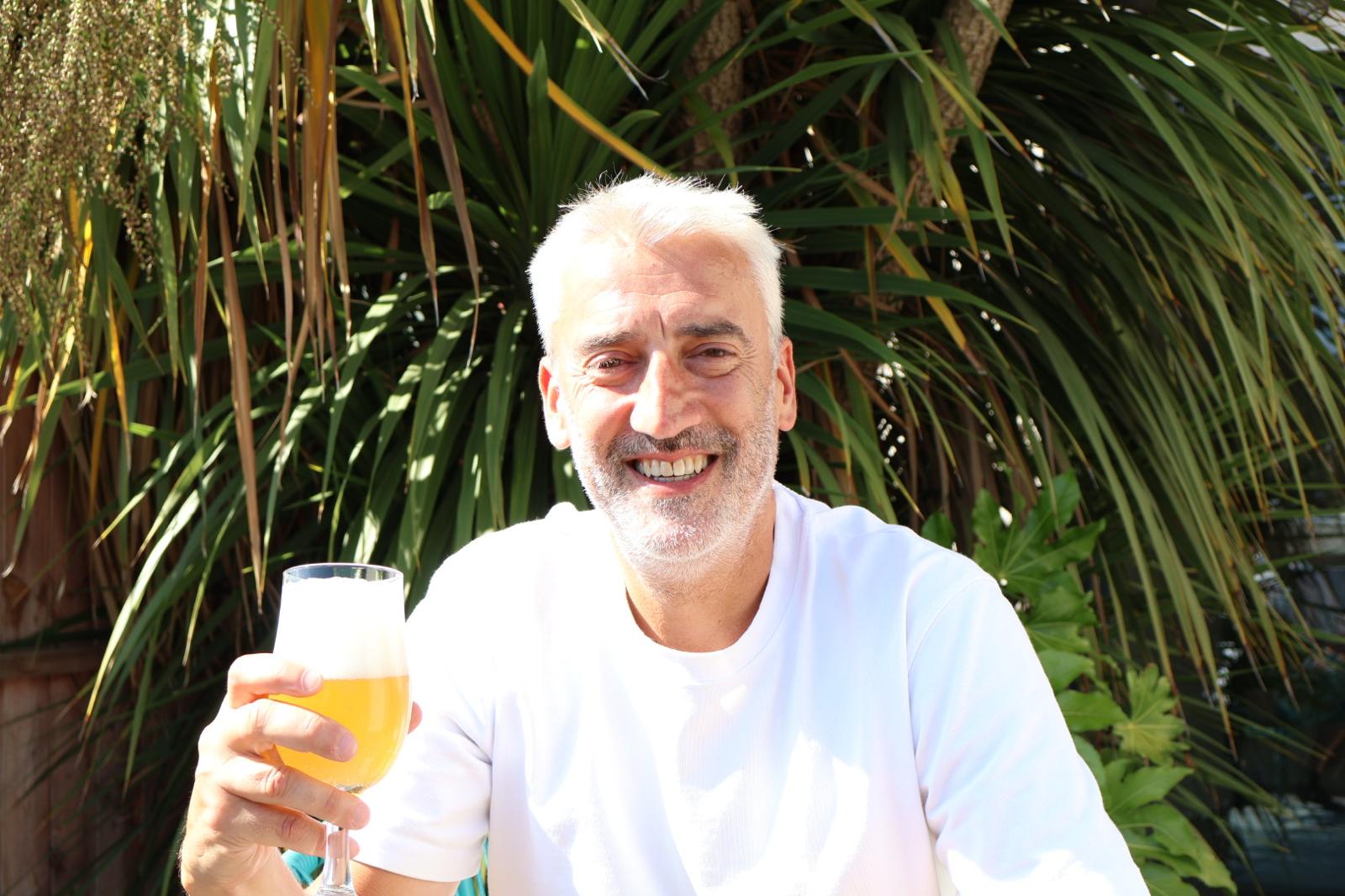
John Gyngell — Biography
John Gyngell is the founder of North Bar in Leeds, widely recognised as one of the UK's first independent craft beer bars, which he opened in 1997 with a loan from his parents, a loan from John Smith's Brewery and money saved from his time working at the Town and Country Club.
Over nearly three decades, North Bar became one of the most influential independent venues in the UK beer scene - an early draught outlet for Erdinger, Sierra Nevada and Brooklyn Lager at a time when craft beer in the UK barely existed as a concept.
John went on to co-found North Brewing Co., scaling it from a standing start to over 20,000 hectolitres in four years, exporting to 27 countries and achieving listings in every major UK supermarket. In 2023 he was named Global Ambassador by Brewers Journal.
He is currently a judge on the World Beer Awards 2026 panel and is launching Hexagon Strategy - a consultancy for bars and breweries built on nearly thirty years of operator experience across strategy, culture and beer programming.
John is based in Leeds and remains one of the most respected and recognisable figures in the UK independent hospitality and craft beer scene.